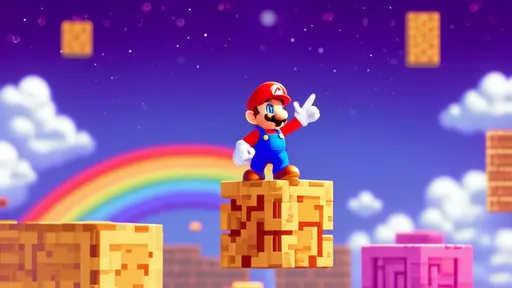
Two decades have passed since the release of Super Mario 64, yet the game continues to captivate players, speedrunners, and researchers in online communities dedicated to classic gaming. What began as a revolutionary title for the Nintendo 64 has evolved into a cultural artifact, dissected and discussed with an intensity that few games from its era still command. The reasons behind this enduring fascination are as layered as the game itself, rooted in its groundbreaking design, technical mysteries, and the vibrant subcultures that have formed around it.
When Super Mario 64 launched in 1996, it didn’t just set a new standard for 3D platforming—it defined it. For many players, it was their first immersive experience in a fully three-dimensional world. The freedom of movement, the inventive level design, and the sheer joy of exploration were transformative. But beyond its immediate impact, the game was built with a depth that has allowed it to stand the test of time. Its mechanics are simple to grasp yet difficult to master, encouraging players to return again and again to perfect their skills or discover new approaches.
One of the key factors driving ongoing interest is the game’s role in the speedrunning community. Super Mario 64 is often described as the "king of speedrunning," thanks to its precise controls and the myriad of tricks and glitches that allow skilled players to complete the game in astonishingly short times. From backward long jumps to parallel universes, the game is filled with exploits that have been meticulously documented and refined over years. These discoveries aren’t just about finishing the game faster; they represent a deep understanding of the game’s underlying code and physics, turning play into a form of reverse engineering.
But it isn’t just speedrunners who are digging into the game’s secrets. A dedicated community of hackers and modders has spent years exploring Super Mario 64’s code, uncovering unused assets, debugging development leftovers, and even reconstructing early versions of the game. These efforts have revealed fascinating glimpses into the development process, showing how ideas evolved and were sometimes abandoned. For instance, discoveries of unused levels and characters have sparked discussions and theories about what the game might have been, adding a layer of historical intrigue to its legacy.
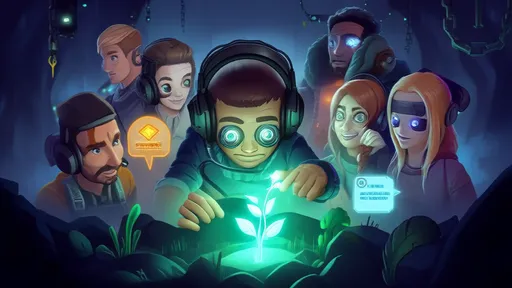
The social aspect of these communities cannot be overstated. Online forums, Discord servers, and YouTube channels have become hubs for sharing findings, debating techniques, and collaborating on projects. This collective effort has turned what might have been a niche interest into a thriving subculture. The exchange of ideas isn’t limited to experts; newcomers are often welcomed and encouraged to contribute, ensuring that the community remains active and evolving. This sense of shared purpose has helped sustain interest in the game long after its commercial relevance has faded.
Another dimension to Super Mario 64’s longevity is its influence on game design. Many of the conventions it established—such as the camera control system, the use of a dynamic soundtrack, and the design of open-ended objectives—have become staples of the industry. Studying the game is like taking a masterclass in 3D game design, making it a valuable resource for aspiring developers and a touchstone for critics and historians. Its lessons are still relevant today, as modern games continue to build on the foundations it laid.
Nostalgia also plays a significant role. For those who grew up with the game, Super Mario 64 represents a formative experience, a portal to childhood wonder and discovery. Revisiting it is not just about replaying a game; it’s about reconnecting with a part of themselves. This emotional connection ensures that the game remains alive in the hearts of players, who often introduce it to new generations, keeping its legacy alive.
Yet, perhaps the most compelling reason for the ongoing research is the sheer unpredictability of what remains to be discovered. Even after twenty years, new glitches, tricks, and insights continue to emerge. The game seems to hold an infinite number of secrets, each discovery raising new questions and fueling further investigation. This endless potential for revelation ensures that Super Mario 64 never feels truly "solved," maintaining its status as a living, breathing subject of study.
In the end, Super Mario 64 is more than just a game; it’s a testament to the power of creativity, community, and curiosity. Its enduring appeal lies not only in what it achieved upon release but in how it has continued to inspire and challenge players long after. As long as there are people willing to explore, experiment, and share their findings, the game will remain a vibrant and vital part of gaming culture.

By /Aug 26, 2025
By /Aug 26, 2025
By /Aug 26, 2025

By /Aug 26, 2025

By /Aug 26, 2025
By /Aug 26, 2025

By /Aug 26, 2025

By /Aug 26, 2025

By /Aug 26, 2025
By /Aug 26, 2025
By /Aug 26, 2025
By /Aug 26, 2025
By /Aug 26, 2025
By /Aug 26, 2025
By /Aug 26, 2025
By /Aug 26, 2025

By /Aug 26, 2025

By /Aug 26, 2025
By /Aug 26, 2025
By /Aug 26, 2025
