The pixelated clouds gather ominously on the horizon, not as mere decorative backdrop but as a portent of the storm to come. In the world of gaming, climate change has evolved from environmental wallpaper to a central narrative force, weaving its way through storylines and mechanics with increasing sophistication. What began as subtle atmospheric details—melting ice caps in the distance of a platformer, occasional weather events in open-world adventures—has matured into a complex language through which games comment on, simulate, and interrogate humanity’s most pressing existential crisis.
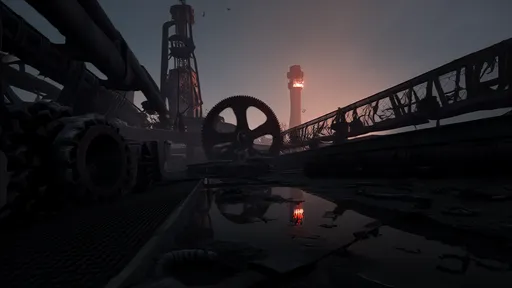
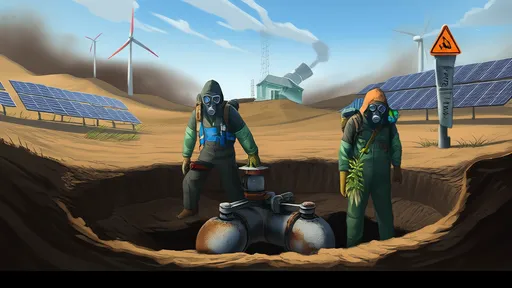
Early incorporations of climate themes were often aesthetic, serving as a stage rather than a participant in the drama. Games would use a post-apocalyptic desert or a flooded cityscape primarily as a visual shorthand for a fallen world, a consequence of some vague, past disaster. The environment was static, a painting on the wall that the player moved through. The cause of the decay was rarely explored, and the player’s agency in relation to it was nonexistent. It was setting as set dressing, powerful in mood but shallow in commentary. The message was simple: something bad happened here. The newer, more compelling question games have begun to ask is: what happened, and what can we do now?
This shift is most palpable in the evolution of game mechanics. No longer just a visual theme, climate is becoming a dynamic, interactive system. In some strategy and survival titles, rising CO2 levels or global temperature are not just narrative points but actual metrics on a player’s HUD, directly influenced by in-game decisions. Building a coal plant might offer a short-term economic boost but triggers a gradual increase in catastrophic weather events that disrupt supply chains and damage infrastructure. The core gameplay loop becomes a tense balancing act between progress and preservation, forcing players to engage with the same difficult trade-offs faced by policymakers. The game is no longer about the aftermath of a crisis; it is a simulation of the crisis itself, in real-time.
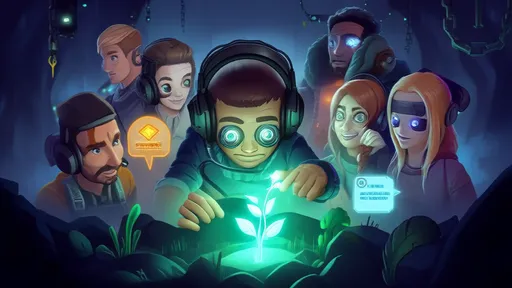
Beyond grand strategy, narrative-driven games are weaving climate anxiety into their very fabric. Characters grapple with the psychological weight of a dying world, communities fracture over scarce resources, and quests are no longer about fetching magical artifacts but about securing fresh water or viable seeds. The conflict is internal as much as external. This approach creates a powerful sense of empathy and immediacy. The player isn't just observing a dystopia; they are inhabiting a world where the anxiety of environmental collapse is a daily reality. The emotional resonance is profound, transforming abstract headlines into personal stories of struggle, resilience, and sometimes, heartbreaking failure.
Perhaps the most innovative use of the theme lies in games that employ environmental mechanics as their primary puzzle-solving language. Here, the changing climate is not an obstacle to overcome with force, but a complex system to understand and manipulate. A player might need to wait for seasonal ice melts to access new areas, or use redirected floodwaters to power ancient machinery. The world is alive and reactive. Success demands observation, adaptation, and respect for the environment's rules, fostering a mindset that mirrors the real-world need for harmony with our ecosystem rather than domination over it. This genre moves beyond preaching and into experiential learning, making the player feel the consequences and possibilities of a living planet.
Furthermore, the very nature of world-building in games has been transformed by climate narratives. Developers are creating elaborate ecologies where every element is connected. The extinction of a seemingly minor creature might collapse a food chain, making a crucial resource unavailable. A decision to clear a forest for farmland could lead to soil erosion that ruins the harvest years later. These cause-and-effect chains create worlds that feel truly organic and fragile. They teach systems thinking, demonstrating that no action exists in a vacuum and that short-term solutions can have devastating long-term costs. The game world itself becomes the main character, and its health is the ultimate scorecard.
This is not to say the approach is universally perfect. Some games still fall into the trap of "greenwashing" their mechanics, offering superficial recycling minigames or token eco-friendly options that have little real impact on the overall gameplay or narrative. The challenge for developers is to avoid trivializing the issue and to commit to deep, meaningful integration. The most successful titles are those that have the courage to make sustainability difficult, expensive, and complex—because it is. They reject easy answers and instead immerse the player in the messy, morally ambiguous, and technically challenging reality of stewardship.
Ultimately, the power of games to address climate change lies in their inherent interactivity. A documentary can inform, and a novel can evoke emotion, but a game can make you responsible. It can hand you the controls to a virtual world and say, "Here. Your choices matter. What will you do?" This active participation fosters a deeper level of understanding and engagement than passive media ever could. Players don't just learn about desertification; they watch their virtual farm turn to dust because they over-farmed it. They don't just read about rising sea levels; they have to redesign their entire city to accommodate them. This first-hand experience, however simulated, has the unique potential to change perspectives and inspire action long after the console is turned off.
As the medium continues to mature, the conversation around climate change in games is moving from the periphery to the center. It is evolving from a backdrop into a backbone, from a theme into a theory of play. These digital worlds are becoming crucial sandboxes for experimenting with futures, testing solutions, and, most importantly, building empathy for a planet in crisis. They are proving that the most impactful stories aren't just those we are told, but those we live through.

By /Aug 26, 2025
By /Aug 26, 2025

By /Aug 26, 2025
By /Aug 26, 2025

By /Aug 26, 2025
By /Aug 26, 2025
By /Aug 26, 2025

By /Aug 26, 2025

By /Aug 26, 2025
By /Aug 26, 2025

By /Aug 26, 2025

By /Aug 26, 2025

By /Aug 26, 2025
By /Aug 26, 2025

By /Aug 26, 2025

By /Aug 26, 2025

By /Aug 26, 2025

By /Aug 26, 2025
By /Aug 26, 2025
By /Aug 26, 2025