The digital age has bestowed upon humanity an unprecedented cultural legacy in the form of video games, yet this very inheritance stands on the precipice of oblivion. Game preservation, a movement born from necessity, has emerged as the critical endeavor to rescue these interactive artifacts from the abyss of technological obsolescence, corporate indifference, and the relentless march of time. It is a race against entropy, a fight to ensure that the digital worlds that have shaped generations are not lost forever, but are instead recognized, protected, and studied as the significant cultural works they are.
At its core, the challenge of game preservation is multifaceted and uniquely complex. Unlike a painting or a book, a video game is not a single, static object. It is an intricate ecosystem of software code, hardware dependencies, and often, online infrastructure. The original experience is a delicate interplay between the program, the specific console or computer it was designed for, the physical media it was stored on, and sometimes, servers that no longer exist. Preserving merely the code is akin to saving the script of a play without any knowledge of the stage directions, set design, or actor performances; you have the blueprint, but not the experience. This inherent complexity means that traditional archival methods are woefully insufficient, demanding instead a specialized and technically demanding approach.
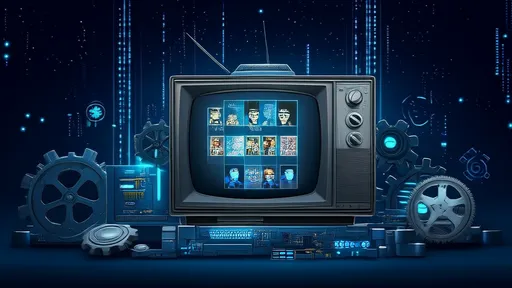
The primary enemy in this fight is obsolescence. Hardware fails. Cartridge batteries die, erasing save files forever. Magnetic floppy disks degrade, their data dissolving into nothingness. Optical discs like CDs and DVDs suffer from disc rot, where the reflective layer oxidizes and becomes unreadable. Even more modern digital distribution platforms are fraught with peril. When a digital storefront like the Nintendo Wii Shop Channel or the PlayStation Store for the PS3 and Vita closes down, games that were never physically published and exist only as digital files become completely inaccessible to new players. They effectively vanish from history, their cultural and artistic value rendered null by a corporate decision.
Furthermore, the legal landscape surrounding game preservation is a treacherous minefield. Copyright law, designed for more traditional media, often clashes with the practical needs of preservation. While libraries can legally archive books and films, the act of copying and distributing old game software—even for purely historical, non-commercial purposes—frequently exists in a legal gray area. Abandonware sites, which host out-of-print games, operate under constant threat of cease-and-desist orders from rights holders, even for titles the companies themselves have no intention of ever selling again. This legal ambiguity stifles the work of archivists and historians, leaving countless games in a state of limbo, legally dead but not yet buried.
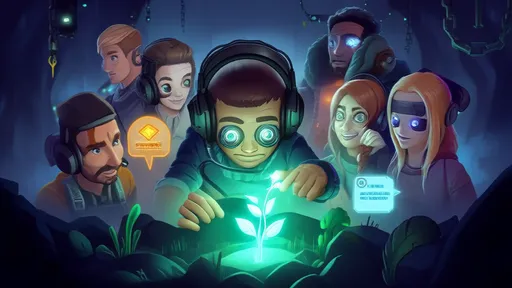
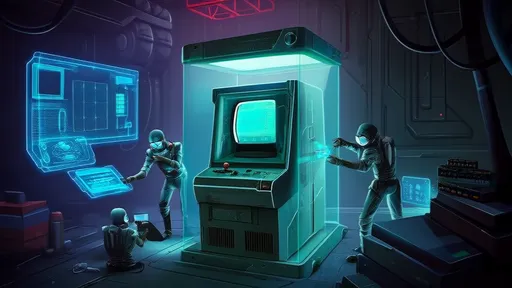
In response to these daunting challenges, a diverse coalition of preservationists has risen. This community is not a monolithic entity but a vibrant network of dedicated individuals, hobbyist groups, non-profit organizations, and some forward-thinking institutions. They employ a variety of methods to keep gaming history alive. Software emulation is perhaps the most powerful tool in their arsenal. By creating software that mimics the behavior of obsolete hardware, emulators allow modern computers to run classic games. Projects like the MAME (Multiple Arcade Machine Emulator) initiative have undertaken the Herculean task of preserving thousands of arcade games, many of which would otherwise be lost to crumbling circuit boards and broken cabinets.
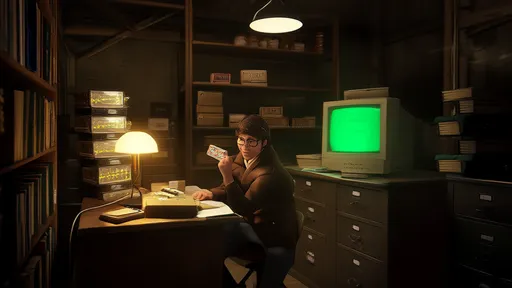
Another crucial technique is migration and data recovery. This involves painstakingly transferring data from aging, fragile media to modern, stable storage systems. Archivists might use specialized hardware to read failing floppy disks or to extract data from a cartridge with a depleted battery, soldering in a new one to save the game within. For more modern games, especially those reliant on online servers, fans have developed private servers to resurrect defunct multiplayer experiences. These projects reverse-engineer the network protocols of closed-down games, allowing communities to continue playing long after the official plugs have been pulled.
The work of these preservationists extends beyond just the games themselves. They also archive the rich paratext that surrounds them: cardboard boxes, instruction manuals, maps, promotional posters, magazine advertisements, and developer interviews. These materials provide invaluable context, offering insights into the marketing, reception, and cultural milieu in which a game was originally released. A mint-condition box for an early Nintendo game is not just a container; it is a piece of art and a historical document that completes the artifact.
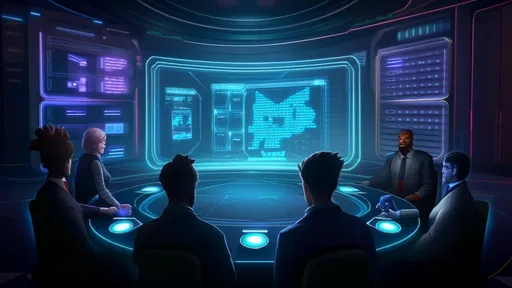
Despite the heroic efforts of the community, the path forward requires broader societal recognition. Video games must be acknowledged by major cultural institutions—libraries, museums, and universities—as works of art and historical significance worthy of the same meticulous preservation efforts afforded to film, literature, and music. Some progress is being made. The Museum of Modern Art in New York has added several games to its permanent architecture and design collection. The Video Game History Foundation tirelessly advocates for and documents gaming's past. However, much more needs to be done to establish formal, funded, and legally protected archival programs.
The game preservation movement is about more than just nostalgia. It is an act of cultural archaeology. These interactive experiences are time capsules of technology, art, music, storytelling, and social history. They reflect the design philosophies, technical limitations, and creative ambitions of their eras. To lose them is to lose a part of our collective history. By supporting preservation efforts, whether through advocacy, donation, or simply by appreciating the work being done, we help build a bridge to the past and ensure that future generations can experience, study, and learn from the digital worlds that defined our present.
By /Aug 26, 2025
By /Aug 26, 2025
By /Aug 26, 2025
By /Aug 26, 2025

By /Aug 26, 2025
By /Aug 26, 2025

By /Aug 26, 2025

By /Aug 26, 2025

By /Aug 26, 2025
By /Aug 26, 2025
By /Aug 26, 2025

By /Aug 26, 2025
By /Aug 26, 2025
By /Aug 26, 2025
By /Aug 26, 2025
By /Aug 26, 2025

By /Aug 26, 2025

By /Aug 26, 2025
By /Aug 26, 2025
By /Aug 26, 2025